









Ecstasy and ketamine use has surged by more than 200 per cent in just four years.
Analysis by the Home Office’s Wastewater Analysis for Narcotics Detection (Wand) programme found ketamine levels in wastewater samples rose by 229 per cent between 2021 and last year.
This figure includes a 54 per cent increase in the past 12 months alone.
Testing also showed MDMA, commonly known as ecstasy, increased by 232 per cent over the same period.
TRENDING
Stories
Videos
Your Say
Ecstasy use peaked at weekends, underlining its status as a “party” drug, while ketamine use remained steady throughout the week, suggesting more “regular and problematic use”, the Home Office report said.
Use of methamphetamine rose by 61 per cent over the same period, while cocaine consumption increased by an estimated 26 per cent.
However, heroin use fell by 40 per cent and amphetamine use dropped by 27 per cent.
Ketamine is legally used as an anaesthetic but is strictly controlled.
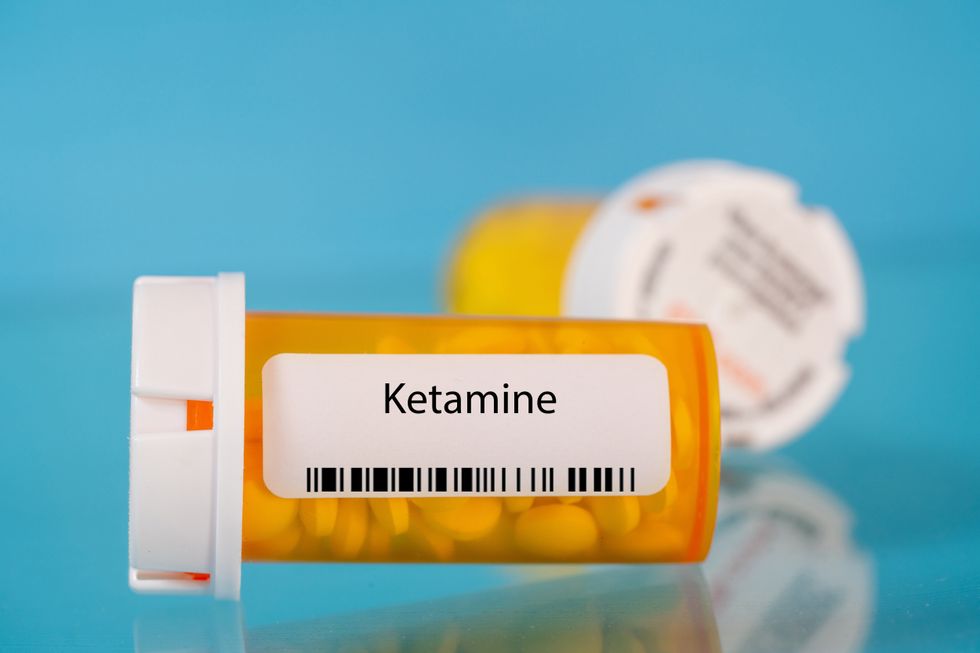
In 2023, there were 53 deaths as a result of the Class B controlled substance
|GETTY
Recreationally, ketamine is known as “K”, “Special K” or “Ket” and can produce a relaxed, dream-like sensation, but may also cause temporary paralysis known as a “k-hole”.
The drug can be fatal when mixed with other substances, including alcohol, and has been linked to heart problems and hallucinations.
In 2023, 53 deaths were recorded involving ketamine.
This marks a 650 per cent increase since 2015.
LATEST DEVELOPMENTS
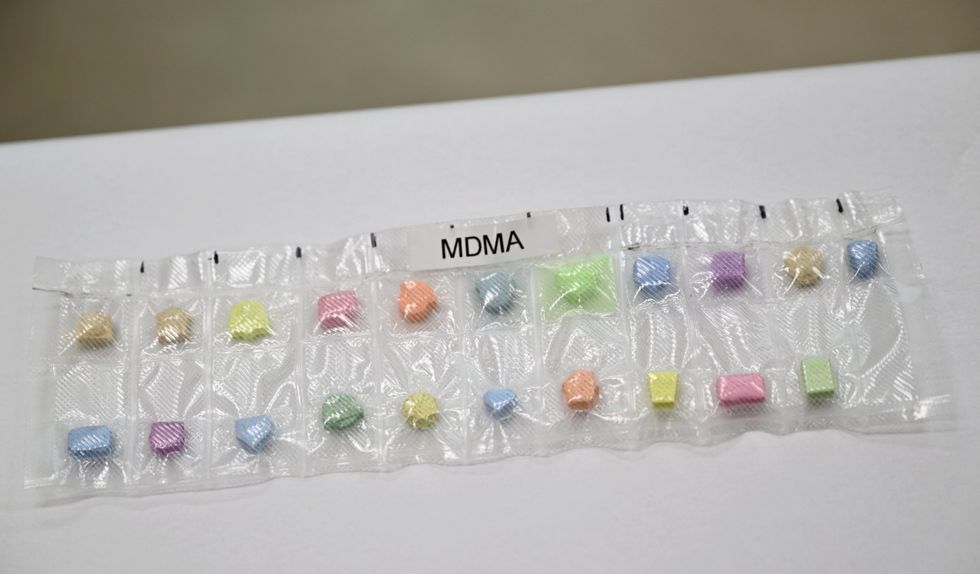
Use of MDMA, commonly known as ecstasy rose 232 per cent over four years
|GETTY
Ketamine was reclassified from a Class C to a Class B drug in 2014 due to rising use.
Last year, the Government commissioned expert advice on whether it should be upgraded to a Class A substance.
However, the Advisory Council on the Misuse of Drugs recommended it remain Class B, while calling for greater support for police and healthcare professionals to identify, prevent and respond to ketamine-related harms.
The Wand programme analyses wastewater to detect traces of illegal drugs from bodily fluids.
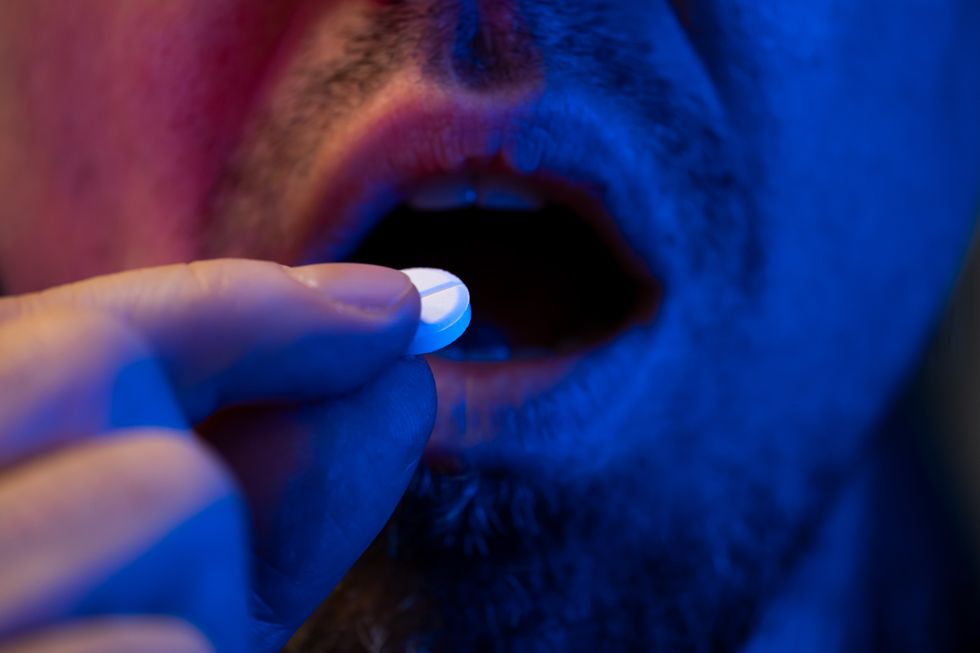
Ecstasy use peaked at weekends, underlining its status as a 'party' drug
|GETTY
Scientists collected samples from 42 sewage treatment sites to estimate drug use across England between August and July last year.
Of the drugs analysed, cocaine had the highest estimated consumption and market value, with around 123 metric tonnes used annually.
Ketamine consumption was estimated at just under 31 metric tonnes, with a market value of about £900million.
Regionally, ketamine use was highest in Portsmouth, Brighton, Norfolk, Liverpool and Bristol.
The Home Office report noted limitations in wastewater testing, including challenges in estimating drug purity and variations based on how substances are consumed.
Our Standards: The GB News Editorial Charter